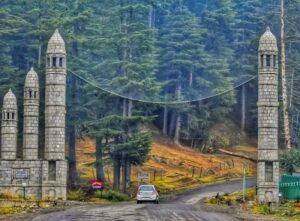
As a Kashmiri who has spent decades witnessing the changing seasons of our beloved mountains, let me tell you about Gulmarg summer, beyond the winter months…
Picture this: When outsiders hear “Gulmarg,” what’s the first image that pops into their heads? Snow-cloaked slopes, skiing adventures, and frozen pine forests, right?
But here’s what we locals have always known—Gulmarg summer is just as magical, if not more! As winter fades, our high-altitude valley bursts into color, transforming into the paradise that gave it its name.
The meadows where we graze our sheep turn emerald green, wildflowers carpet every inch, and the alpine trails reveal themselves after months under snow. And those signature experiences tourists come for—like the Gondola, golf, and pony rides—shine even brighter in the sun-drenched summer months.
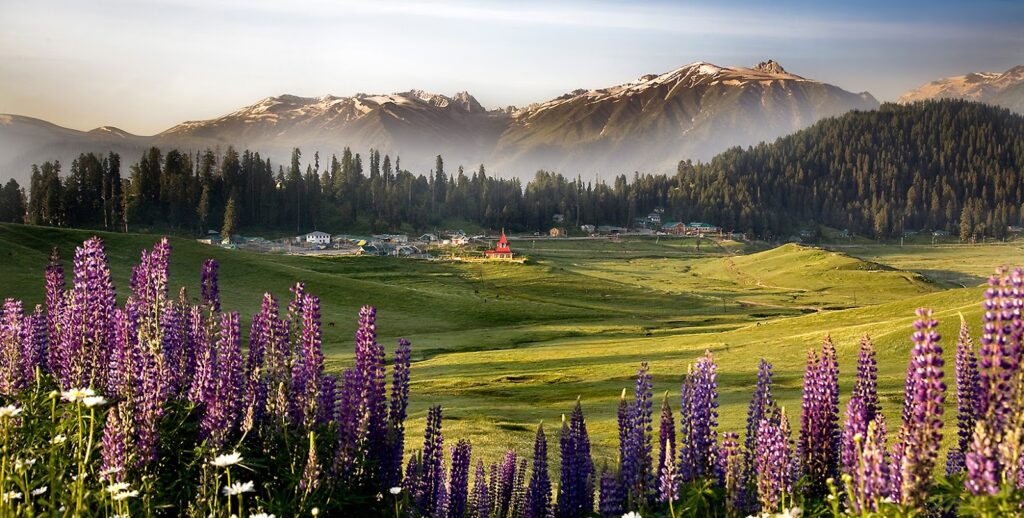
I’ve wandered these meadows since childhood, watching Gulmarg change through decades of seasons, and I can confidently say that its summer avatar remains one of Kashmir’s best-kept secrets. We Kashmiris often come here for weekend picnics, spreading our dastarkhwan (traditional cloth for meals) under the pines while children play traditional games like gilli-danda in the open meadows. As visitors, you’re welcome to join these gatherings—just approach with a smile, and you’ll likely be offered noon chai (salt tea) and traditional bread.
Did you know? The name “Gulmarg” literally translates to “Meadow of Flowers,” a name given by Sultan Yusuf Shah in the 16th century when he was captivated by the wild blossoms that carpet the valley each summer. We locals still follow his tradition of collecting these flowers for making traditional Kashmiri kahwa tea and natural remedies.
Nature’s Canvas: Gulmarg’s Summer Landscape
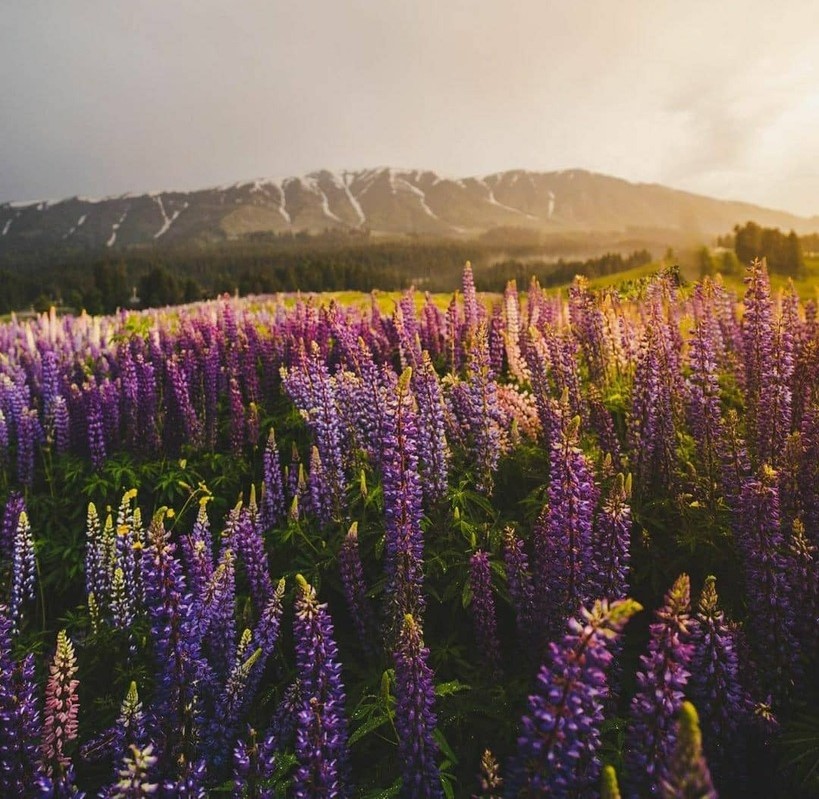
As a son of these mountains, I’ve watched the transformation countless times, yet it never fails to move me. When the last patches of snow surrender to spring warmth, Gulmarg awakens to its true self. Our emerald meadows—which we call “margs”—stretch as far as the eye can see, blanketed with wild daisies we call “sonposh,” rare blue Himalayan poppies, and golden buttercups that our children weave into crowns. The scent of deodar pine mingles with crisp mountain air and the earthy aroma of fresh grass that we harvest for winter fodder.
In every direction, the landscape tells our story: rolling green slopes in the foreground where generations of my family have grazed sheep, with the still-snow-dusted peaks of the Pir Panjal Range—our ancient guardians—towering behind. On clear days, you can see where our land meets the sky at Nanga Parbat, which we call “Diamir” or “King of Mountains.”
The central meadow transforms completely in Gulmarg summer. Where winter visitors see only snow fields, we locals recognize distinct areas with names passed down through generations—Strawberry Valley where our children compete to find the sweetest wild berries, or Monkey Hill where langurs sometimes appear at dawn.
There’s something profound about stepping onto the Gulmarg Golf Course in summer. For tourists, it’s 6,500 yards of manicured greens, but for us, it remains “Babareshi Marg”—a heavenly pasture under open skies. While visitors play golf, local children often practice traditional games along its edges.
Watch for impromptu cricket matches or the ancient Kashmiri game of “chuggan” (similar to polo) played on foot instead of horseback. Visitors are often welcome to join—these informal games have forged friendships across cultures for generations.
In summer evenings, local musicians sometimes bring santoor and rabab instruments to the meadow’s edge, creating melodies that float across the valley at sunset. If you encounter such gatherings, sit quietly nearby—you’ll likely be motioned to join as the music continues.
Did you know? We Kashmiris recognize over 50 species of wildflowers in Gulmarg’s meadows, each with specific medicinal properties passed down through generations. The purple iris is used for respiratory ailments, while the yellow dragonhead flower makes a tea that soothes digestion. Our grandmothers still collect these in special woven baskets called “paej” during summer months for winter remedies.
Best time to visit: Early morning (5:30-7:30 AM) during June-July, when we shepherds first bring our flocks to graze. This offers the most magical light for photographs and the chance to see morning dew—which we call “shabnam”—sparkling on wildflowers. Join the locals gathering wild mushrooms after rain showers in late June—if you’re lucky, someone might show you which varieties are safe to collect.
Soar Above Paradise: The Gulmarg Gondola Experience
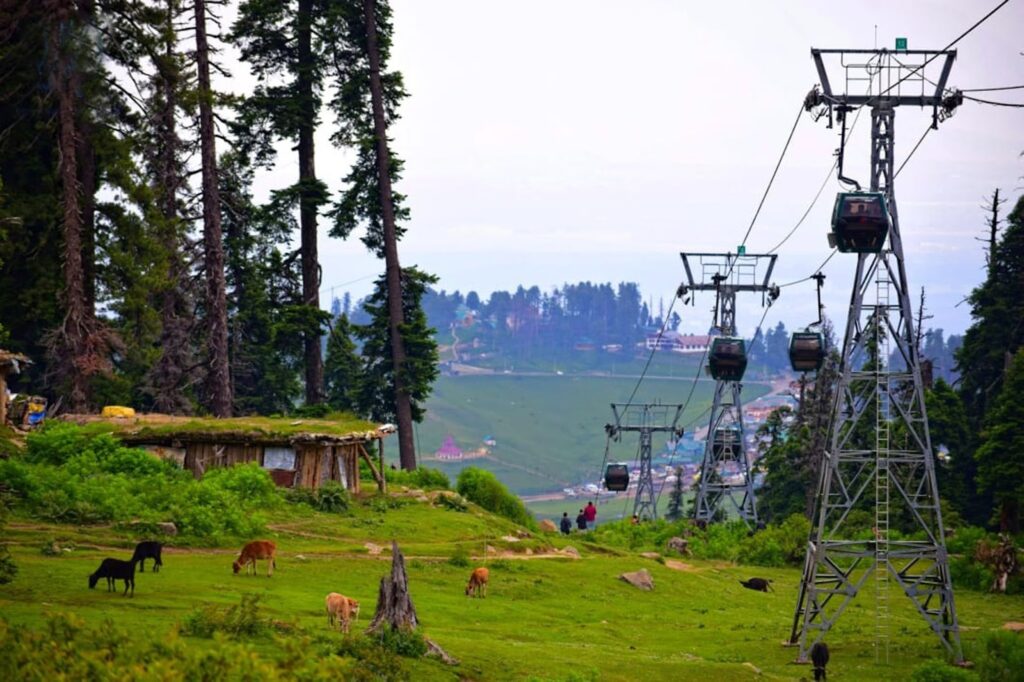
We locals remember when these mountains could only be climbed on foot or horseback. Now, the world’s second-highest cable car—our Gulmarg Gondola—has changed our relationship with the heights above our valley. While tourists flock to it in winter for skiing, we Kashmiris often visit during Gulmarg summer when the experience transforms completely.
Phase 1 takes you from Gulmarg base to Kongdoori (approx. 2,600 m), which we locals call “Haramukh View Point” for its perfect alignment with that sacred peak. The journey passes over meadows where our shepherds’ temporary stone huts (dhoks) dot the landscape like natural sculptures. Look down to see our traditional herb gardens beside these structures—small plots where medicinal plants are grown for winter use. From this height, the central bowl of Gulmarg appears as our ancestors described it in poetry—a massive emerald set amid the mountains.
Phase 2 ascends to Apharwat Peak (approx. 3,980 m), reaching places where only the most experienced local guides once ventured. Even in June, you’ll spot patches of glistening snow amid rocky ridges where our forefathers believed mountain spirits dwelled. On clear summer days—which we call “asman saaf” days—the panorama extends to reveal Nanga Parbat, which we consider the throne of the mountain gods.
From Apharwat’s summit, you’ll witness what many Kashmiris consider the most sacred view in our homeland—a panorama stretching across the Line of Control and into territories where family ties still connect communities divided by politics. Without winter’s snow blanket, you can see ancient shepherd paths zigzagging up seemingly impossible slopes—routes our ancestors used for centuries to reach high pastures.
Local guides (whom you’ll recognize by their traditional pheran overcoats even in summer) often bring small telescopes to Apharwat. Ask them to point out the seven lakes visible on the clearest days—each with its own story in our folklore. Some guides also share the mountain tea tradition, brewing kehwa with herbs collected along the route.
Did you know? The Gulmarg Gondola covers a total distance of 5 kilometers, making it not just one of the highest but also one of the longest cable cars in Asia. We local workers maintain it by hand, climbing tower to tower along routes that follow ancient hunting trails—a maintenance process tourists rarely witness that happens in the early morning hours before the first ride.
Best time to visit: Early morning (8:00-10:00 AM) during May-September when we locals say “pahad khula hai” (the mountain is open), offering clearest views with minimal clouds and shorter queues. Some local families make a tradition of visiting for the first gondola on special occasions like Eid.
Join them for impromptu celebrations with shared sweets and songs at the summit. The golden afternoon light (3:00-5:00 PM) creates dramatic shadows across the valley but comes with a higher chance of cloud cover, which we call “pahad ki topi” (the mountain’s cap).
Gondola ticket prices (as of April 11, 2025):
- Phase 1: INR 740
- Phase 2: INR 950
These rates are applicable in summer too.
Kashmir residents receive substantial discounts with local ID—a policy we proudly support to help our own people enjoy this treasure.
Visit the official site to confirm latest info & book tickets
Meadow Adventures: Walking & Pony Treks Through Flower-Filled Fields
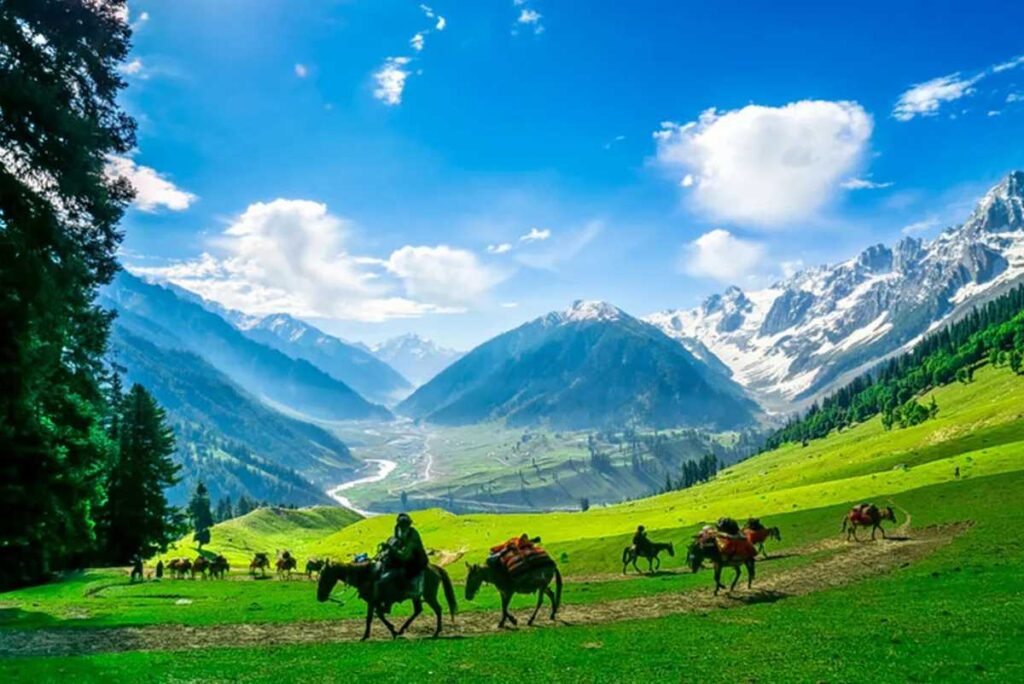
No snow? For us locals, this is when Gulmarg truly comes alive! While tourists marvel at winter’s white blanket, we Kashmiris eagerly await summer when ancient paths hidden for months reemerge, connecting meadows that tell our cultural story. In Gulmarg summer, our homeland reveals itself in ways few visitors fully comprehend.
My father and his father before him worked as guides here, and I’ll share what they taught me about our special places:
- The central bowl we call “Gulmarg Proper” isn’t just scenic—it’s our community space. Early mornings, you’ll see local women collecting wild greens like “sochal” (wild spinach) and “handh” (dandelion) for our traditional dishes. Join them with respect, and they might show you which plants are edible. The grass grows so thick and lush it feels like walking on our traditional Kashmiri carpets. Local children often fly handmade kites here—bringing one along is a sure way to make friends with Kashmiri families picnicking nearby.
- Khilanmarg lies 3km uphill from central Gulmarg. We consider this smaller meadow sacred because it offers the first view of sunrise touching Nanga Parbat. The wildflowers here grow taller than anywhere else—we say because they’re closer to heaven. Our family shepherds have routes through here marked by cairns (stone stacks) that have guided generations—look for these ancient waymarkers. In July, local botanists often lead informal plant walks—ask at the Gulmarg Tourism Office to join one.
- Bota Pathri, which means “lunch meadow” in our dialect, has been a resting place for travelers since the Mughal era. Here, ancient pine forests harbor crystalline streams where local fishermen still practice traditional trout fishing with hand-tied flies. The meadow itself has distinct sections where different village communities have grazing rights passed down through centuries. If you visit on Friday afternoons, you might witness “gujar sabha”—informal council meetings of shepherd elders discussing pasture management while sharing hookah. Visitors who show genuine interest are often invited to listen in.
- Children’s Park viewpoint we call “Kashmir Nazara” (Kashmir View). Here, the entire valley spreads beneath your feet in what we believe is the view that inspired poet Amir Khusro to call Kashmir “paradise on earth.” Local artists sometimes set up easels here—they’ll often sketch your portrait for a small fee or show you basic techniques for capturing the landscape.
For pony rides, let me offer advice as someone whose relatives have been in this trade for generations. Always negotiate upfront, but remember these animals are part of our families’ livelihoods. Rates typically start at INR 500–700 for short routes and can go up to INR 1,500 for Khilanmarg.
If you show interest in our culture, many guides will stop at family tea spots along the way—small stone shelters where riders can rest while enjoying traditional Kashmiri kahwa tea with local honey.
A special walking route we rarely share with tourists? Try the 30-minute stroll from the Golf Course to what we call “Zabri Marg” (Strawberry Valley)—follow the path marked with red stone piles. This leads through our family’s pine groves and opens to a small valley where wild strawberries grow in abundance during July.
Locals know to bring small cloth pouches to collect berries—a practice you’re welcome to join. If you encounter elderly women singing traditional “rouf” songs while collecting, sit quietly nearby; they may invite you to learn a verse or two.
Did you know? The ponies of Gulmarg belong to a special Kashmiri mountain breed we call “gurik” (mountain messenger), developed over centuries for their sure-footedness on steep terrain. Our families have specific naming traditions for these animals—often after celestial bodies or mountain features. If you ask your guide, they’ll tell you their pony’s name and its meaning in our culture.
Best time to visit: Mid-morning (9:00-11:00 AM) during June-August, which we call “tsonchor” (golden time), offers pleasant temperatures for walking when village women bring baskets of fresh apricots and cherries to sell along the paths. For pony rides, early afternoon (1:00-3:00 PM) is ideal as our shepherds bring their animals back to the central area after morning grazing. This timing allows you to witness the traditional exchange of news and goods between different shepherd communities—a social practice unchanged for centuries.
Tee Off in the Clouds: Golfing at One of the World’s Highest Courses
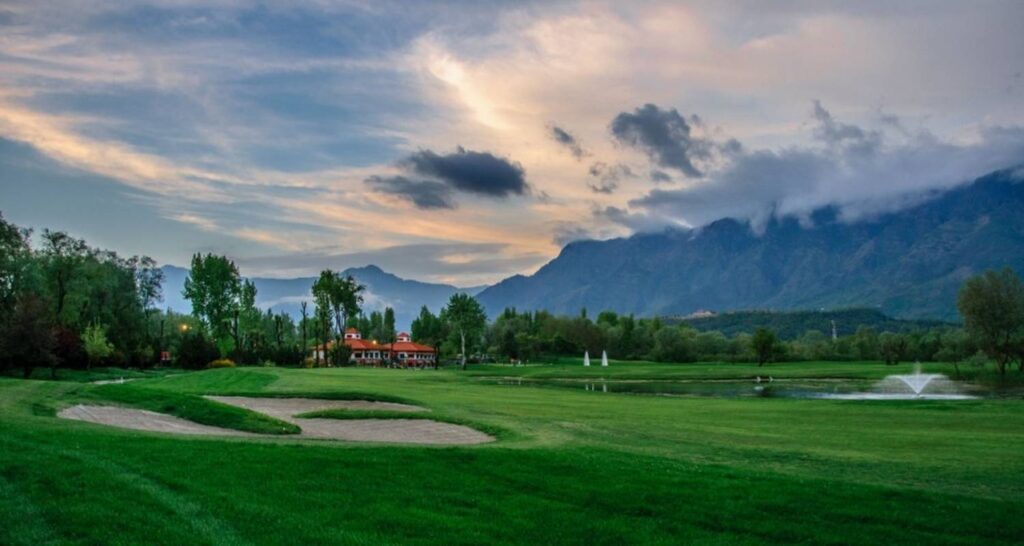
Set at 2,650 meters, what tourists call the Gulmarg Golf Course is known to us locals as “Angrez Marg” (Englishman’s Meadow). This 18-hole course, established in 1911 by the British colonizers, has a complicated place in our history. While it was once forbidden to most Kashmiris, today we take pride in maintaining what has become a unique part of our heritage.
My uncle has been a caddie here for thirty years, and through his eyes, I’ve come to appreciate what makes this place special. The course features natural hazards including slopes our sheep created over centuries, ravines carved by spring meltwater, and even traditional grazing grounds where you might find local livestock wandering onto fairways.
What makes golfing in Gulmarg summer truly special is how the ball travels nearly 10% farther in our thin mountain air, while the mild temperatures ranging from 15-22°C keep you comfortable throughout your game.
- Playing: Visitors can rent clubs and tee off without a membership. My uncle recommends starting early when the dew is still fresh—what we call “os-subah” (dew morning)—as the course plays differently than lowland courses. Local caddies like my cousin Bilal don’t just carry clubs; they know every centimeter of these greens and can tell you exactly how the mountain slopes affect your putt. Their wisdom comes from generations living on this land—listen carefully to their advice.
- Visiting: Even if you’re not playing, walking the lush grounds offers insight into our changing heritage. The course edges are where local children learn the game using makeshift clubs fashioned from willow branches—a tradition started by caddies’ children decades ago. Some now compete nationally. If you show interest, they might challenge you to hit a few balls their way. You’ll also spot our beloved wildflowers tucked between fairways and local elders lounging under towering deodars that were planted by our great-grandparents as boundary markers long before the course existed.
The clubhouse, with its wooden architecture and vintage photographs, tells only part of the story. Ask the older staff about how their families have worked here across generations. My uncle’s colleague Rashid can point out where his grandfather built the original stone drainage channels that still function perfectly—a testament to Kashmiri engineering that predates the golf course itself.
Did you know? We Kashmiris have a special relationship with this golf course. While it’s among the oldest in India, predating independence, the first Kashmiri wasn’t allowed to play here until 1947. Today, the course employs over 150 local families as groundskeepers, caddies, and staff. The unique turf management combines Scottish techniques with traditional Kashmiri meadow care practices—creating playing conditions impossible to replicate elsewhere.
Best time to visit: Mid-morning to early afternoon (10:00 AM-2:00 PM) during June-September, what we call “khush mausam” (happy weather), offers ideal playing conditions with minimal wind. Local tournament season begins in late June—watching these events provides insight into our community’s relationship with the sport. The course is particularly stunning in early July when wildflowers we call “gul-e-bahar” (spring blossoms) bloom along the fairways, creating natural hazards that challenge even professional players.
Update Check – April 11, 2025:
Golf course is open for visitors and tourists. Basic rentals and caddie services are available on site. Ask specifically for local caddies who know the traditional names of each hole—they’ll share stories about how each part of the course figures in our community’s history.
Heritage Amid Highlands: Historic Sites in Gulmarg
For us Kashmiris, Gulmarg’s historical sites tell a complex story of faith, colonization, and cultural resilience. Let me guide you through these places as someone whose grandparents witnessed their evolution:
- St. Mary’s Church: We call this 110-year-old stone chapel “Angrez Ibadatgah” (Englishman’s Place of Worship). It stands surrounded by green lawns and towering pines that my grandfather helped plant as a young gardener. Built in 1902, the Victorian-style architecture introduced foreign elements to our landscape, yet over generations, we’ve incorporated it into our cultural identity. The stained glass windows depict biblical scenes against an alpine backdrop that deliberately echoes our mountain aesthetics.
Inside, wooden pews face a simple altar crafted from local deodar—a collaboration between British designers and Kashmiri artisans. Outside, the cemetery contains graves of British officers and their families who once summered in Gulmarg, including several who married into local families and whose descendants still live in nearby villages. While tourists snap photos, we locals come here for different reasons.
The stone walls provide perfect acoustics for Kashmiri classical musicians who sometimes practice here on quiet weekday mornings. If you arrive around 9 AM on Tuesdays, you might encounter informal performances—visitors are welcome to listen respectfully. The caretaker, Mr. Karim, has maintained this building for three decades and knows every story behind the memorial plaques—ask him to share his knowledge if he’s not busy with his duties.
- Maharani Temple: We know this as “Rani Mandir.” Perched on what we call “Poshmal Hill” (Flower Hill), this vibrant red-roofed shrine is dedicated to Lord Shiva and represents indigenous faith traditions. It was built by Mohini Bai Sisodia, the wife of the last ruling Maharaja of Kashmir—a woman our grandmothers still speak of with admiration for her compassion during difficult times.
The temple was constructed by the same Kashmiri craftsmen who built our traditional homes, using techniques passed through generations. Notice the intricately carved wooden panels that tell stories from Hindu mythology interwoven with local folklore elements—a unique synthesis found only in Kashmir. The temple offers not just panoramic views but what we consider the perfect alignment with sacred peaks in the distance.
Local Hindu families still maintain traditions here that predate tourism. On Monday mornings, women from surrounding villages bring freshly picked flowers and special rice preparations as offerings. Visitors who come at this time (around 7-8 AM) may be invited to participate in simple rituals or receive a blessing with sacred ash.
The peaceful atmosphere is enhanced by prayer flags fluttering in the mountain breeze—we believe each flutter sends prayers skyward—and the occasional ringing of bells by visiting devotees.
A gentle walk connects both sites along what we call “Teerath Path” (Pilgrimage Path), making for a lovely half-day cultural exploration. My family has walked this route for generations, and I’ll tell you what my father told me: walk slowly and notice the stone markers with lotus carvings that date back centuries.
The path between these sacred spaces takes you through quiet woodland areas where you might spot Kashmir’s famous birds including Himalayan Monals (which we consider spiritually significant) and woodpeckers that local folklore says carry messages between this world and the next.
Did you know? While tourists recognize St. Mary’s Church from films like “Bobby” (1973) and “Kashmir Ki Kali” (1964), it holds different significance for us locals. During the difficult years of conflict, this church and the nearby temple became neutral gathering spaces where community leaders could meet safely. The caretakers of both sites maintained a tradition of sanctuary that transcended religious boundaries—a living example of Kashmir’s syncretic culture.
Best time to visit: Late afternoon (3:00-5:00 PM) during May-September, which we call “shafaq” (sunset glow), bathes both structures in golden light perfect for photography and contemplation. This timing also allows you to participate in “aarti” (evening prayers) at the temple if you wish.
For a more profoundly spiritual experience, visit the Maharani Temple at sunrise (5:00-6:00 AM) when local devotees gather to greet the day with ancient Sanskrit chants—visitors who observe respectfully are welcome.
Also Read 👉 Gulmarg, Famous For a Reason?
Into the Wild: Treks & Nature Walks
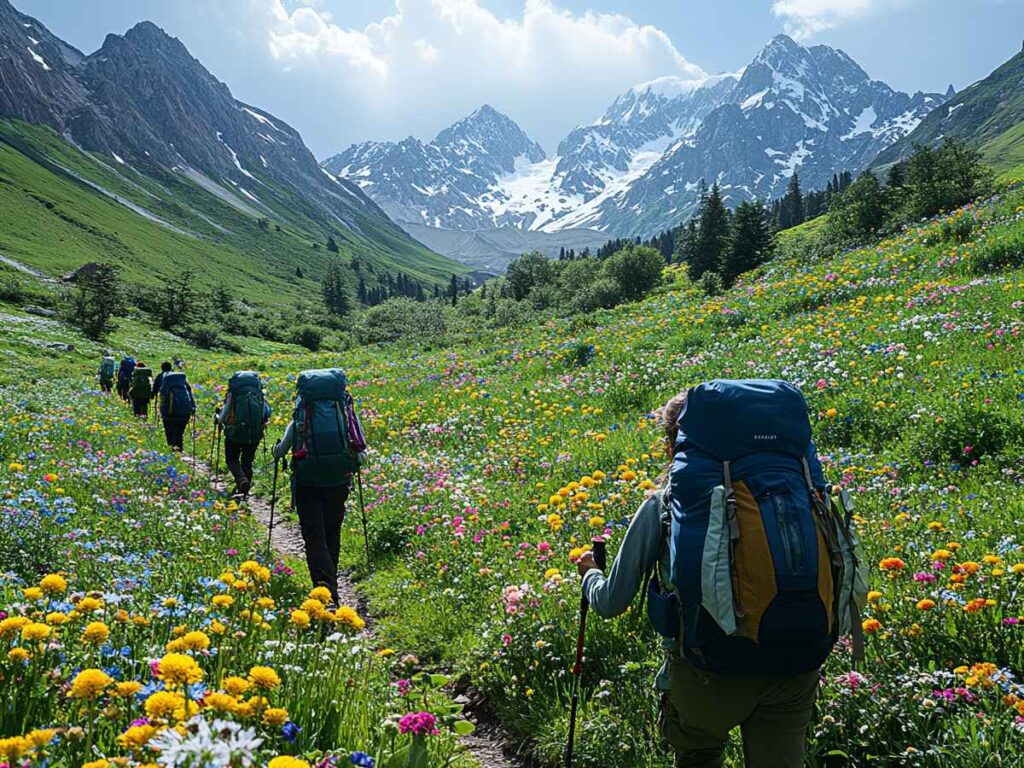
For us Kashmiris, these paths are not merely hiking trails—they are our ancestral routes, the very veins of our mountain homeland. Trekking in Gulmarg summer opens up access to places where my grandfather once led his sheep, where my mother gathered wild herbs, and where our community has celebrated seasonal festivals for centuries.
- Alpather Lake Trek: We call this sacred water body “Frozen Eye of the Mountain.” This moderate full-day trek (13-kilometers round trip) follows routes my shepherd ancestors created over generations. As your guide, I’d point out stone shelters built by my great-grandfather’s generation, still used by herders during summer months.
The path takes you through changing landscapes that represent Kashmir’s diverse ecosystems—from dense forests where we harvest pine nuts to open meadows where our traditional medicines grow and finally rocky terrain near the lake. Local shepherds sometimes set up temporary tea stalls along this route during peak summer—simple stone structures with canvas coverings where you can rest while enjoying salt tea served in wooden cups. These aren’t commercial establishments but expressions of our mountain hospitality.
Payment isn’t expected, though sharing some fruit or bread from your pack is appreciated. Early summer may still show snow around the lake’s edges—making for a surreal setting as wildflowers bloom just meters away from ice patches. Our elders perform a small water blessing ritual here during the first full moon of summer—if your visit coincides, you may witness this ancient tradition.
- Lien Marg Trek: We know this as “Pari Maidan” (Fairy Field). Ideal for beginners, this 3-4 hour walk follows a route traditionally used by Kashmiri botanists collecting medicinal plants. The dense pine forests you’ll pass through are where our woodcutters practice sustainable harvesting that’s continued unchanged for centuries.
The forest floor is carpeted with pine needles that crunch softly underfoot—our children learn to walk quietly here during mushroom gathering season. The canopy above filters sunlight into patterns we call “jaal-e-noor” (net of light). The hidden meadow at the trek’s end holds special significance—local folklore says fairies gather here on full moon nights.
While tourists take photos, we locals sometimes leave small offerings of fresh flowers or milk in tiny earthen cups—a tradition passed from my grandmother’s time. If you’re fortunate, you might encounter our traditional storytellers who bring groups of local children here on summer afternoons to share ancient tales under the oldest pine tree. Visitors are welcome to join these sessions, though the stories are told in Kashmiri with impromptu translations provided by younger community members.
- Strawberry Valley: Known to us as “Toot Marg,” this relaxed 5-kilometer forest walk leads along paths used by our berry gatherers for generations. The narrow trail winds through silver birch trees we call “burza”—sacred in our culture and never cut for firewood.
The valley floor opens to reveal a carpet of wild strawberries alongside small streams where local children still play traditional water games using walnut shell boats. During July and August, you’ll see Kashmiri families with small wicker baskets collecting berries for traditional preserves—a practice that dates back centuries.
If you’re trekking here on Friday afternoons, you might encounter our community berry-picking sessions, where multiple families gather to harvest together while singing traditional work songs. These aren’t commercial activities but cultural practices—visitors who show genuine interest are often invited to join in, with children especially eager to show foreign guests how to identify the sweetest berries.
Each trek offers glimpses into our Kashmiri lifeways across distinct ecosystems—from coniferous forests where our traditional medicines grow to alpine meadows where our poetry was born and rocky terrain where our myths take place. All packed into relatively short distances thanks to Gulmarg’s varied topography that we’ve navigated for millennia.
Did you know? Alpather Lake holds deep significance in Kashmiri folklore. It freezes completely during winter, but local legend says it never freezes at its heart—believed to be bottomless and connected to other sacred lakes across Kashmir through underground channels.
Scientific measurements contradict this, recording depths of up to 13 meters, but we still maintain certain fishing taboos here based on ancient beliefs. The lake water is used in special healing rituals by traditional medicine practitioners from surrounding villages.
Best time to visit: Start early (7:00-8:00 AM) during June-September, when we local guides begin our day with “chai-nashta” (tea and breakfast) at mountain base camps. This timing helps avoid afternoon cloud formations we call “pahad ki chunni” (the mountain’s veil).
For Alpather Lake specifically, the full moon day of July holds special significance when local elders perform water blessing ceremonies. Shorter walks to Strawberry Valley and Lien Marg are beautiful in the dappled afternoon light (2:00-4:00 PM) when shepherds return with their flocks, creating perfect pastoral scenes that have inspired Kashmiri poetry for centuries.
Frame-Worthy Moments: Photography in Gulmarg’s Summer Splendor
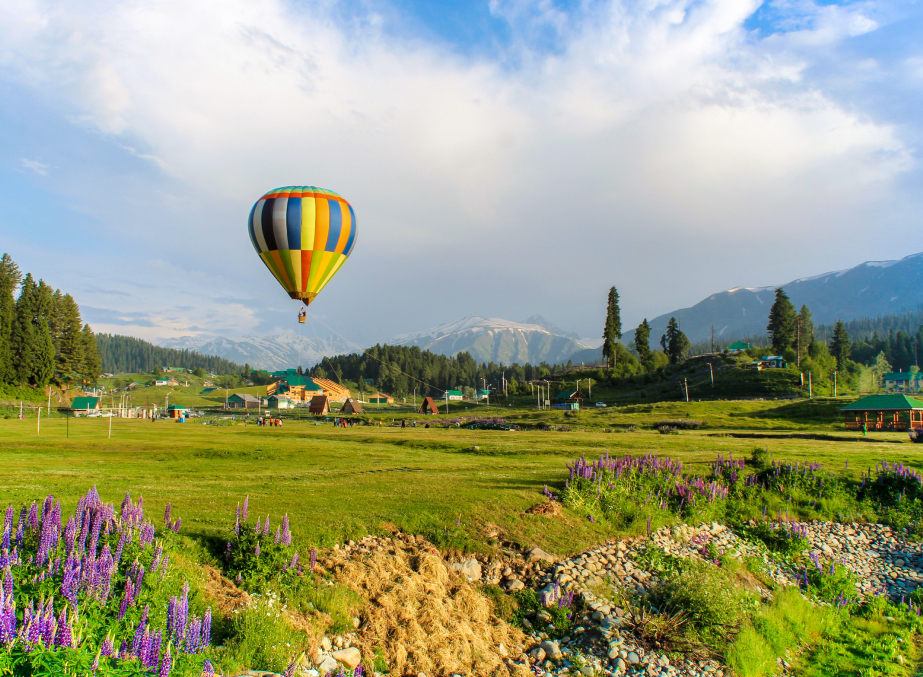
As someone who has watched photographers from around the world capture our homeland over decades, let me share what we locals know about Gulmarg summer’s most photogenic moments. Our mountains reveal themselves differently through a lens—colors more vibrant, textures more pronounced than in winter’s monochrome palette.
Top photography spots we recommend to visiting photographers:
- Central Meadow at Sunrise: We call this golden moment “zard subah” (yellow morning). Arrive by 5:00 AM to watch local shepherds release their horses into morning mist—creating scenes straight from our folk tales. Position yourself near the old maple tree we call “buzurg” (elder) to capture golden light washing over dew-kissed wildflowers with grazing horses in the foreground.
Local photographers often bring thermos flasks of kehwa tea to share while waiting for perfect light—a tradition you’re welcome to join.
- Gondola Journey: Unlike tourist photos that merely capture the cable car itself, we locals focus on human moments—passengers’ expressions of wonder as they ascend. Frame the cable car against blue skies we call “laajward aasmaan” (lapis sky), or shoot down at the patchwork of meadows and forests that form natural geometric patterns visible only from above. The contrast between modern technology and ancient landscapes tells our story of tradition meeting change.
- Apharwat Ridge: Here, photograph what we call “do jahaan milna” (meeting of two worlds)—the dramatic convergence of lush greenery and stark rocky peaks. Position yourself where the last pine tree grows to capture scale.
On windy days, clouds flow through this scene like rivers of white—a phenomenon we call “abr ki nadi” (cloud river). Our local photographers often use human subjects in bright traditional clothing as focal points against this vast landscape.
- Golf Course at Golden Hour: While tourists photograph manicured greens, we focus on boundaries where maintained course meets wild meadow—the perfect metaphor for Kashmir itself. In late afternoon light (locally called “soneri roshni”), the contrast between cultivated and wild creates stunning compositions.
Notice how our local photography students position themselves near the 7th hole where an ancient walnut tree frames the entire valley beyond.
- Shepherd Trails: These paths tell our economic history. For authentic cultural imagery, visit the northeastern slopes between 4:00-5:00 PM when third-generation shepherds move flocks homeward.
Unlike staged tourist photos, these capture genuine moments in our working lives—the choreography between human, animal, and landscape perfected over centuries. Ask permission before photographing shepherds up close; most appreciate a small offering of cigarettes or tea in exchange.
Throughout Gulmarg summer, our changing weather patterns create what we call “roshni ka khel” (play of light)—from misty mornings shrouding pines in mystery to crystal-clear afternoons revealing distant peaks and spectacular sunset alpenglow on faraway mountains that we believe temporarily transform into abodes of gods.
One special opportunity few tourists know about: during July full moons, local Sufi musicians sometimes gather near St. Mary’s Church for nighttime performances. With permission, you can capture hauntingly beautiful images of traditional instruments silhouetted against moonlit mountains—representing Kashmir’s spiritual essence.
Did you know? While tourists recognize Gulmarg from over 150 Bollywood films, we locals served as more than just scenery. My uncle worked as a location scout for classics like “Silsila” and “Betaab,” helping directors find spots with perfect natural acoustics for song sequences.
Directors specifically choose summer months for scenes requiring lush greenery, but deliberately avoid filming during peak wildflower season in early July—a time we consider too sacred for commercial activity. The meadow where “Kashmir Ki Kali” was filmed remains a pilgrimage site for film lovers, marked by a simple stone placed by local film workers.
Best time for photography: Early morning we call “noor ka waqt” (time of light) around 5:00-7:00 AM offers ethereal mist rising from valleys. Evening golden hour known as “sunehra pal” (5:30-7:00 PM) during June-August bathes everything in warm tones that perfectly complement traditional Kashmiri red and blue garments—consider bringing props of these colors.
For dramatic cloud formations, mid to late afternoon (3:00-5:00 PM) in July provides spectacular skyscapes as monsoon clouds we call “barish ke doot” (rain messengers) roll through the valley. Local photographers gather at Kongdori viewpoint specifically for this phenomenon—join them for invaluable advice on exposure settings for our unique mountain light.
Visual Suggestion:
- Gulmarg meadow in full bloom
- Aerial view of the Gondola over green slopes
- Locals herding sheep with Apharwat in the background
- Sunset over the golf course
Practical Information for Your Gulmarg Summer Adventure
Weather & Conditions
During Gulmarg summer, expect daytime temperatures between 18°C and 25°C, dropping to 8–12°C at night. The air is fresh but thin at this altitude, and UV exposure is high—bring sunscreen, sunglasses, and layers for changing conditions. July and August might see occasional rain showers, which quickly clear to reveal washed clean vistas and dramatic rainbows.
Daylight Hours
One of the joys of visiting Gulmarg in summer is the extended daylight. Sunrise occurs around 5:15 AM, with sunset around 7:30 PM. These long days mean more time for adventures and exploration without rushing.
Accommodation
Compared to peak ski season, hotels and resorts are more affordable and readily available during summer months. Options range from luxury properties like The Khyber Himalayan Resort & Spa to cozy cottages and guesthouses run by local families. Many accommodations offer special summer packages that include guided walks and cultural experiences.
Getting There:
From Srinagar (50 km), the road to Gulmarg is smooth in summer and open throughout. The journey takes approximately 1.5-2 hours through picturesque countryside and apple orchards. Travel by taxi from Srinagar airport (fare approximately INR 1,800-2,200) or hire a self-drive car for flexibility to stop at viewpoints along the way.
Did you know? The road to Gulmarg follows largely the same route used since the British colonial era when the hill station was established as a summer retreat in the late 19th century.
Best time to visit Gulmarg: For the perfect summer experience with maximum wildflowers and pleasant temperatures, plan your trip between mid-June and early August.
Why Gulmarg In Summer Should Be On Your Bucket List
So, is Gulmarg only for snow lovers? Not even close!
In summer, this hill town transforms into a verdant paradise, offering a blissful mix of adventure, culture, and natural beauty without the crowds that flock during ski season. From alpine hikes and Gondola rides to golfing at sky-high altitudes and sipping chai in wildflower meadows—Gulmarg summer is a dream waiting to be lived.
The combination of comfortable temperatures, breathtaking scenery, and diverse activities makes it perfect for everyone from solo travelers seeking tranquility to families wanting safe adventures and photographers hunting for unique landscapes.
Don’t skip Gulmarg just because your skis are packed away. This summer, see it in a whole new light—the authentic Kashmir experience awaits.