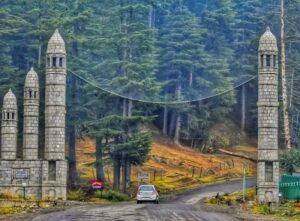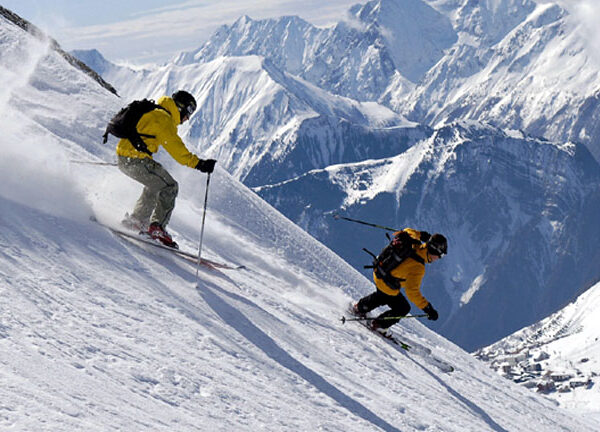
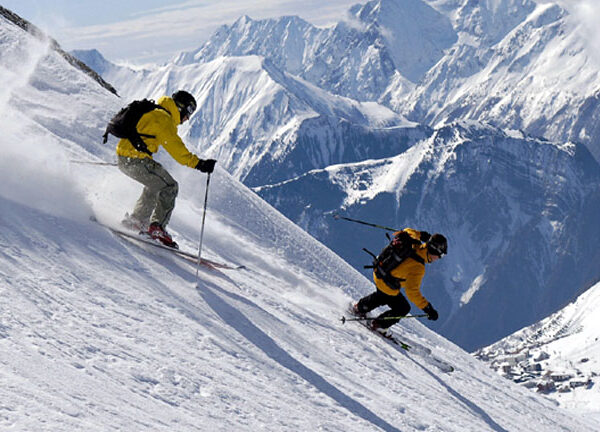
As someone who has lived in the shadow of these magnificent mountains my entire life, let me welcome you to Gulmarg. When I was a child, my grandfather told me stories of how these slopes were once the playground of Mughal emperors. Today, they’ve become my livelihood and passion. I guide visitors through what we locals believe is heaven’s own backyard. Go through this Gulmarg skiing guide to find out more.
Our Mountain Paradise
Picture this: pristine white slopes cascading down Apharwat Peak. Ancient pines dusted with fresh powder. The world’s second-highest cable car whisking you into the clouds. This is Gulmarg, our winter wonderland. Powder enthusiasts, alpine adventurers, and casual snow-lovers all find their slice of Himalayan heaven here.
This comprehensive guide comes from decades of skiing these slopes. I’ve been guiding visitors since I was just 16. It gives you the most up-to-date, honest insight into our legendary skiing scene. If you’ve dreamed about carving fresh tracks through the Himalayas, this is your sign to start planning.
Gulmarg: More Than Just Snow
Did you know? Gulmarg means “Meadow of Flowers” in our Kashmiri language. My grandmother speaks of collecting more than 21 varieties of wildflowers here during summer. In winter, it transforms into one of Asia’s most coveted skiing destinations. Our families have cared for these meadows for generations.
Best time to visit: Winter months (December-March) for skiing. January-February offers optimal snow conditions. I always tell guests to arrive early morning (8:00-9:00 AM). This is when you’ll find freshly groomed slopes, shorter Gondola queues, and special morning light that turns our snow into diamonds.
The Ultimate Gulmarg Skiing Guide: When to Plan Your Powder Adventure in My Homeland

Season Overview
The official ski season in Gulmarg runs from late November to early March. Each month offers its own unique charm. As someone who has witnessed 40 winters here, this guide shares exactly what to expect throughout our season.
Monthly Breakdown
December: Early Winter Magic
- Early powder, Christmas magic, festive bazaars in Tangmarg
- Snow base can be variable, but early storms often deliver spectacular conditions
The Village Experience
December transforms everything into a winter fairytale. Pine trees bow under fresh snow. The village comes alive with preparations. My sister’s café serves traditional Kashmiri Kahwa (saffron tea) with cardamom and cinnamon from my uncle’s spice shop. The crisp mountain air carries woodsmoke and rajma chawal scents from local kitchens. Our community hosts Thursday evening gatherings where tourists join us for music and storytelling around communal fireplaces called “kangris.”
Local Activities
In December, my family creates snow sculptures near the village center. Visitors are welcome to participate. Children hold informal sledding competitions using traditional wooden sleds. Join us at the weekly winter market where my mother sells hand-knitted pashmina items. You can learn traditional techniques from village elders.
Best time to visit: Mid to late December for holiday atmosphere. Try early mornings for pristine slopes and to see local shepherds navigate the winter landscape.
January-February: Peak Season Powder
- Waist-deep powder, crystal-clear days, and electric après-ski scene
- Our coldest months, so pack serious thermals
The True Winter Experience
January brings “baraf ka mausam” (season of snow). The landscape becomes a vast white canvas with majestic Himalayan ranges as backdrop. This scenery has inspired Kashmiri poetry for centuries. Shepherds’ huts peek through snow creating scenes photographers travel thousands of miles to capture. In our village, the aroma of Harissa (slow-cooked mutton breakfast) wafts from traditional clay ovens as early as 5 AM. This centuries-old winter tradition fuels both locals and skiers.
Winter Cultural Immersion
During these months, my cousins organize midnight torch skiing demonstrations on full moon nights. Tourists can register if comfortable with intermediate slopes. Our village council hosts weekly snow cricket matches on the frozen meadow. My aunt teaches traditional Kashmiri embroidery workshops in the afternoons. The community prayer hall offers cultural exchange evenings with traditional wazwan feasts.
Best time to visit: All of January and February guarantees snow. Try midweek to avoid weekend crowds from Srinagar. Early mornings offer fresh tracks that my brothers and I always race to make first.
March: Spring Skiing Season
- Longer, sunnier days with good snowpack early in the month
- Later weeks bring spring skiing on corn snow and epic sunsets at Pari Mahal
The Changing Season
Pari Mahal, a terraced Mughal garden with ancient architecture, offers breathtaking views of Dal Lake and the valley. As children, we raced down these slopes pretending to be royal messengers. March brings “taaza roshni” (fresh light) to Gulmarg. Golden hour casts pink and orange hues across our snow-covered landscape. This transforms ordinary slopes into scenes from ancient manuscripts. Snow begins revealing patches of early crocuses, signaling spring’s approach.
Spring Traditions
March is when our community celebrates the traditional “Snow Festival.” It features competitions like snow kayaking using traditional wooden boats. My elder brother leads guided “snow botanical walks” identifying the first spring plants. Local musicians gather at sunset near Pari Mahal for impromptu concerts. Traditional rabab melodies echo across the valley. For an authentic experience, join the community “spring cleaning” of our historic wooden mosque.
Best time to visit: Early March for powder. Try afternoons for spring skiing conditions. Sunset hours offer viewpoints where our elders share stories of the valley’s history.
Snowfall Records
Did you know? Gulmarg often receives some of the heaviest snowfall in the Himalayas. Annual accumulations sometimes exceed 14 meters (45 feet)! My grandfather’s journal from 1952 recorded what we still consider the “great winter” with 21 meters of snow. So much snow fell that second-story windows became our front doors!
🎿 Pro Tip: As a volunteer with our local rescue team, I recommend checking the J&K Avalanche Center for conditions. 2025’s early snowfall has already set up a bumper season. It reminds us of the legendary winter of 2018 that our village still talks about.
A Complete Gulmarg Skiing Guide to the Terrain: From Gentle Slopes to Expert Descents on My Native Mountains
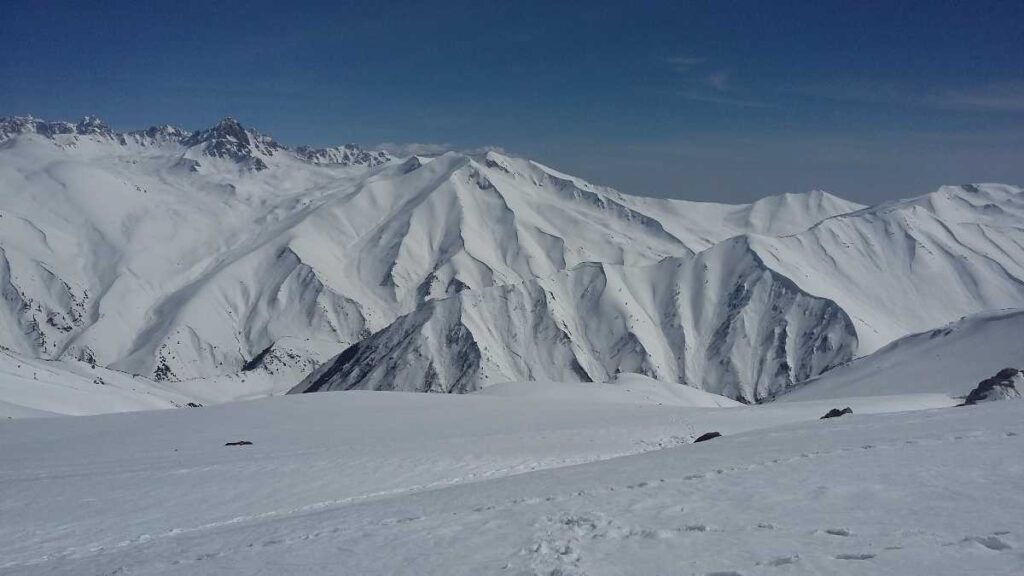
For Beginners: Bunny Slopes & Lower Phase 1
Gulmarg isn’t just for pros. Near Phase 1, gentle nursery slopes near Highland Park Hotel offer a soft introduction for newcomers. My first cousin works here as an instructor.
Beginner Area Features
The beginner area has a gentle incline surrounded by towering deodars (Himalayan cedars). My ancestors considered these trees sacred. These natural windbreaks protect learners as they find their ski legs. From this plateau on clear days, you can see Nanga Parbat. We call it “Diar Mir” (The Naked Mountain). This backdrop makes even practice runs feel momentous. This area becomes our community grazing ground in summer. My uncle still brings his prize-winning horses here.
Family-Friendly Activities
On weekends, local families gather at the edges for picnics regardless of temperature. Join them if invited for noon chai (salt tea) and katlama (fried bread). My younger cousins often offer informal “ski buddy” services to beginners. They show hidden paths and tell folklore about the mountains. After fresh snowfall, village elders perform “sheen nachun” (snow dance) at sunrise. This tradition honors the mountain spirits. Visitors may observe and sometimes participate.
Best time to visit: Mid-morning (10:00 AM-12:00 PM) when temperatures rise slightly but snow remains firm. My grandmother says this is when mountains are most generous to learners.
Local Knowledge
Did you know? Our beginner slopes sit at approximately 2,600 meters (8,530 feet). This makes them some of the highest starter runs in the world! I learned to ski here at age four using homemade wooden skis my father crafted from local pine.
✨ Local Tip: “When I teach visitors on these slopes, I share my father’s wisdom: ‘Don’t look at your feet, look at the mountains – they will guide you.’ Those views of snow-draped fir trees make every wipeout worth it. The mountains have patience for all who respect them.”
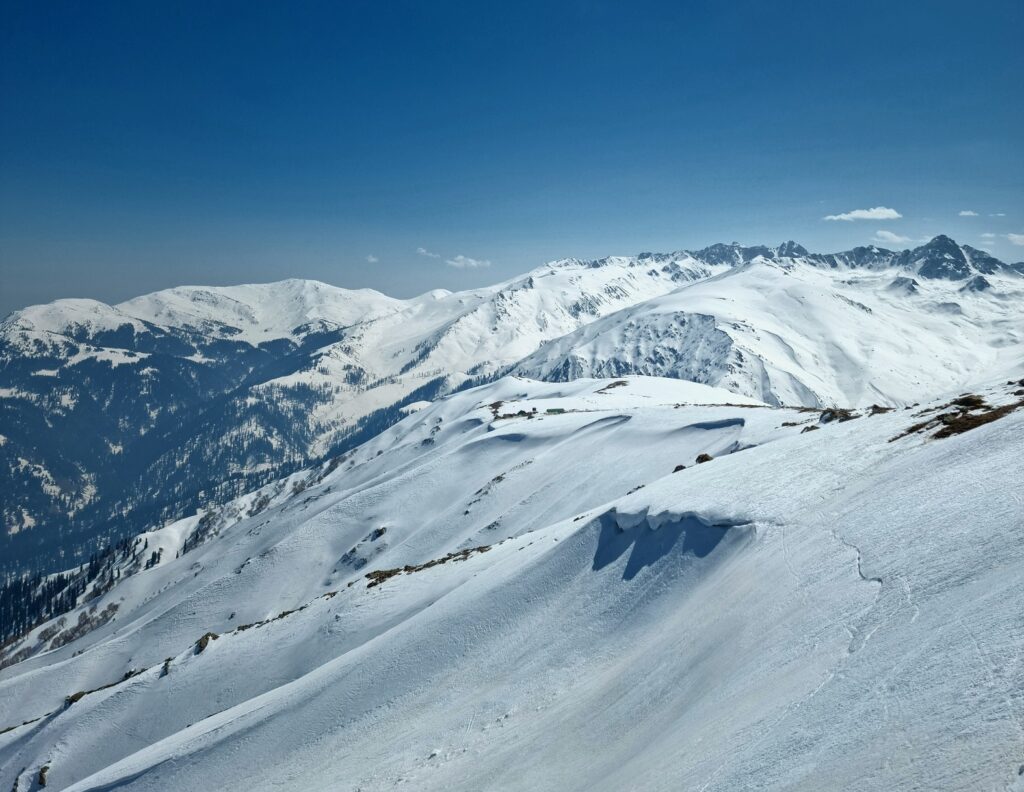
For Intermediates: Groomed Runs & Upper Phase 1
Here’s where you start linking turns on wider, steeper runs. Great for honing skills before tackling what we locals call “the real mountains.”
Terrain Description
Upper Phase 1 features slopes that my brothers and I maintain. They wind through ancient forest glades where local legends say snow leopards roam during quiet nights. These runs follow natural contours created by centuries of monsoon water patterns. Panoramic views showcase our beloved Kashmir Valley below. Traditional wooden houses – including my ancestral home – dot the distant landscape. In these forests, you’ll pass 300-year-old cedar trees. They bear carvings from shepherds who sheltered here long before skiing arrived.
Social Skiing Opportunities
Mid-slope, find a small wooden shelter my uncle maintains. Local skiers gather here around midday for communal lunch. Bring something to share and you’ll be welcomed. Our community youth club organizes impromptu slalom races on Thursdays. Visitors can join regardless of skill level. The prize is usually bragging rights and perhaps a cup of kehwa tea. Watch for traditional foragers harvesting medicinal herbs along these slopes. They often share knowledge about local plants if approached respectfully.
Best time to visit: Late morning to early afternoon (11:00 AM-2:00 PM) for best visibility and slightly softened snow. My family has skied these slopes for three generations during these hours.
Historical Significance
Did you know? Many intermediate runs follow historic Silk Road trade paths. My ancestors used these routes for centuries to cross the mountains! My great-grandfather’s journals describe carrying saffron and pashmina wool along these routes to traders from Central Asia.
Top Spots: Slopes above Kongdori station with easy Gondola access. My personal favorite is the eastern face catching morning light – what locals call “Subah ka Noor” (Morning’s Light).
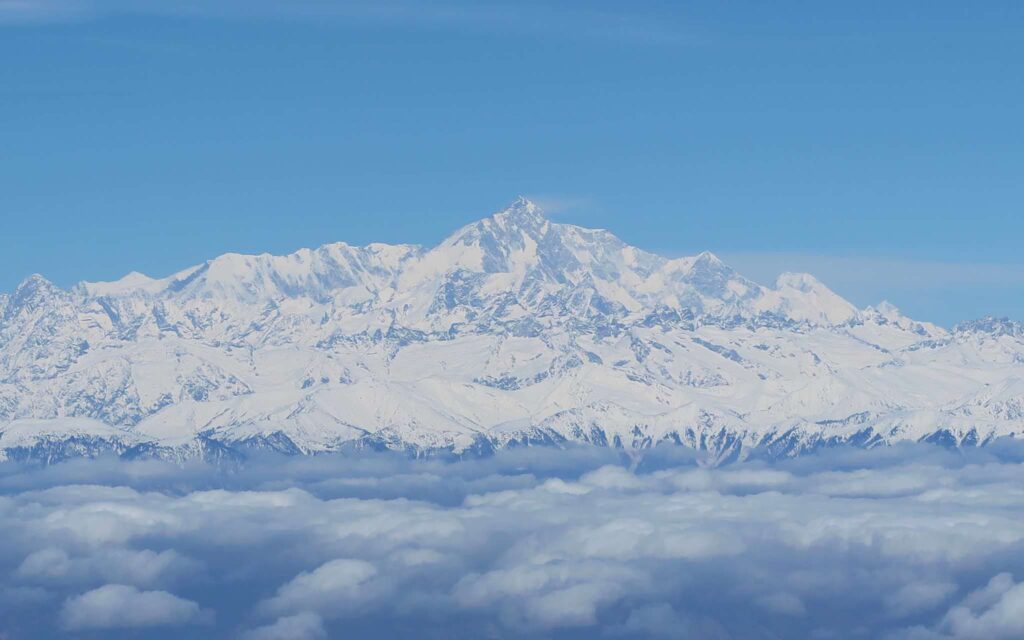
For Advanced/Experts: Phase 2 & Apharwat Peak
Off-piste heaven awaits experienced skiers. Wide alpine bowls, steep couloirs, and near-constant powder make Apharwat Peak’s upper slopes some of Asia’s most thrilling terrain. I’ve skied these since childhood. Not for the faint-hearted or ill-prepared.
Summit Experience
Apharwat Peak stands majestically at 4,200 meters (13,780 feet). Locals consider this place spiritually significant. My grandfather removed his hat when approaching the summit out of respect. The vast bowls feature terrain reminiscent of Alaska. Natural half-pipes form from winter winds alongside spectacular cliff bands. These challenge even our most veteran local skiers. The Army Ridge (named for the nearby outpost where my older brother serves) offers heart-stopping descents. You can still find fossils here from when these mountains were an ancient seabed.
Traditional Mountain Practices
At sunrise during clear days, local guides (including myself) perform traditional “pahad puja” (mountain worship) at the summit. We do this before the first runs. Respectful visitors may observe this ritual that ensures safety. Our backcountry ski community organizes weekly “route exploration” trips. These document new lines, and experienced visitors can join with proper equipment. After heavy snowfall, watch our traditional snow trackers studying conditions. Some come from families who’ve read these mountains for centuries. Ask permission politely to follow their chosen routes. They understand avalanche patterns better than any forecast.
Best time to visit: Catch the first Gondola for untouched powder. Avoid afternoons when visibility deteriorates and “bhabar” (mountain fog) rolls in unexpectedly.
Record-Setting Terrain
Did you know? The back bowls of Apharwat have runs exceeding 5km in length. This makes them some of the longest continuous off-piste descents in the world! My family skis these bowls together once annually, usually during the February full moon.
📸 Must-Get Shot: The ridge-top panorama toward Nanga Parbat on clear days is pure Himalayan poetry. My grandmother claims you can see five kingdoms from this point: Kashmir, Ladakh, Tibet, Pakistan, and Heaven itself.
Essential Equipment Tips: The Gulmarg Skiing Guide to Gear Rental from a Local Expert
Rental Options
Government Ski Rental Shop (affordable, basic)
This no-frills facility near the Gondola base offers reliable equipment at government-regulated prices. My uncle helped construct the building in the 1970s. The utilitarian space houses decades of skiing history. Vintage photos of Gulmarg’s first skiers – including my grandfather at age 20 – adorn the walls. Staff includes retired ski instructors who share stories of our village’s transformation from summer retreat to winter sports destination.
Community Connection
Every evening at closing time, the shop manager (my father’s childhood friend) hosts an informal “equipment clinic.” Locals demonstrate traditional waxing techniques using pine resin mixtures. These recipes have been our family secret for generations. Visitors can learn how we’ve adapted international ski maintenance practices to unique Himalayan conditions. Local children help with cleanup in exchange for short ski lessons. Tourists can join this exchange program with small donations to our village school.
Best time to visit: Afternoons tend to be less busy. Avoid morning rush hours when local ski school students collect their daily equipment.
Private Outlets like Yemberzal and Kashmir Alpine (better quality, higher rates)
These modern shops feature imported equipment. Returning Kashmiris established them, including my cousin Mubashir who studied in Switzerland. Yemberzal’s wooden chalet-style building blends traditional Kashmiri architecture with modern amenities. Note the hand-carved walnut panels depicting mountain folklore and traditional kangri heating systems adapted for modern use. Staff includes internationally certified technicians alongside village elders providing cultural context to equipment selection.
Cultural Immersion
Yemberzal hosts weekly “ski heritage evenings.” My uncle demonstrates how our ancestors crafted equipment from local materials before modern gear arrived. Kashmir Alpine offers evening workshops where visitors help local artisans incorporate traditional Kashmiri designs into custom ski equipment. During heavy snowfall, these shops become community gathering spaces. Locals share hot noon chai while discussing snow conditions. This offers visitors excellent opportunities to hear unfiltered advice about the best runs.
Best time to visit: Come the evening before your ski day. This helps you avoid morning queues and participate in community gatherings. My extended family often leads discussions about sustainable tourism in our region.
Historical Context
Did you know? Gulmarg’s first ski equipment rental shop opened in 1927 during British colonial rule. My great-grandfather operated it, adapting his carpentry skills to repair imported wooden skis. Our family still displays his original tools in our home museum!
What to Rent
- Essential: Skis, poles, boots, helmet
- Optional: Ski jackets, pants, goggles (worth it if you’re packing light)
Approximate Costs (2025 Season)
- Skis/Boots/Poles: ₹1500–₹2500/day
- Helmet: ₹500/day
- Clothing Set: ₹1200–₹1800/day
Note: Security deposits apply — keep ID copies handy. As a local courtesy, mention “Gulmarg mubarak” (blessed Gulmarg) when renting. Many shops offer a small discount as it shows respect for our culture.
Learning the Slopes: The Gulmarg Skiing Guide to Instruction from Those Born to These Mountains
Qualified Instructors Matter
Only ski with certified pros. Consider Kashmir Alpine Ski School (where I’ve taught for 15 years), Pine Palace Ski Guides (founded by my uncle), or Highland Snow Sports (where many cousins work).
Our Teaching Traditions
Kashmir Alpine Ski School operates from a charming wooden cabin near the Gondola base. It was built using traditional dhajji dewari earthquake-resistant techniques. These methods have protected our homes for centuries. Inside, instructors gather around a wood stove each morning for “safed chai” (white tea). We discuss weather patterns and student assignments. Many instructors like myself have skied these slopes since childhood. We combine formal training with indigenous knowledge passed through generations. The walls display photographs of local instructors with international skiing legends who have visited.
Cultural Learning
Before first lessons each day, students may join our traditional “baraf salaam” (greeting the snow). Instructors share a moment of gratitude toward the mountains. Visitors can participate in evening knowledge-sharing sessions. We demonstrate how traditional woolen pherans (robes) have influenced modern cold-weather gear design. Advanced students often join instructor families for dinner in village homes. They learn about Kashmiri culture while enjoying dishes like rogan josh and yakhni that my mother prepares using ancient recipes.
Best time to book: Try early morning lessons (9:00 AM) for freshest snow. Late afternoon (3:00 PM) offers smaller groups and what we call “golden slope” lighting conditions. This special light shows terrain texture better.
Professional Credentials
Did you know? Many Gulmarg instructors have trained with Olympic coaches and competed internationally. This brings world-class technique to our remote Himalayan location! My own certification required training in Switzerland. Yet I still believe our local techniques for deep powder are superior.
Lesson Types
- Group Lessons: Social, budget-friendly
- Private Lessons: One-on-one attention, tailored feedback
2025 Rates: ₹2500–₹3500/hour. Book early for January-February slots. My calendar fills months in advance during peak season.
Your Gateway to the Peaks: Navigating Gulmarg’s Famous Gondola That My Village Helped Build
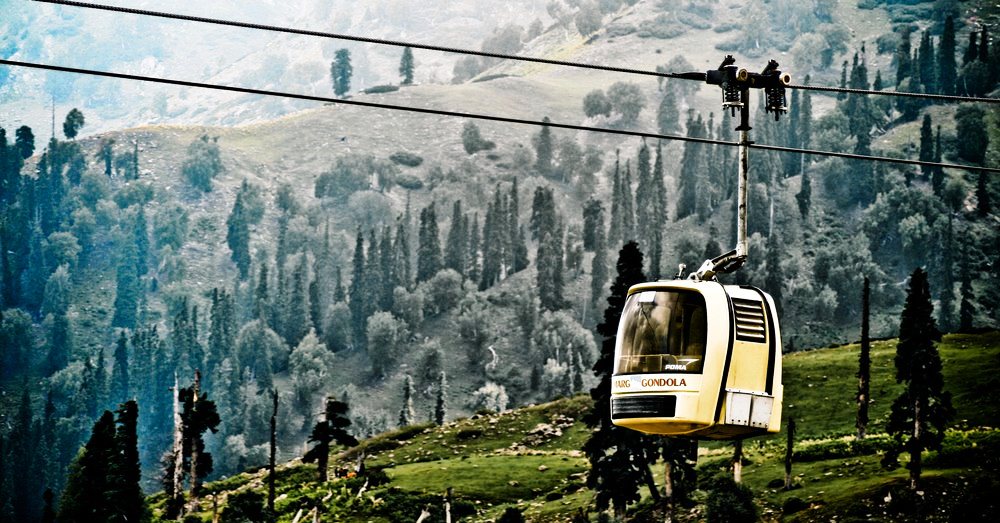
How Skiers Use It
Phase 1 (Kongdori): Nursery slopes, beginner runs
The 8-minute ride ascends through ancient pine forests. You might spot Himalayan monkeys playing in snow-covered branches. Locals consider sighting them good luck for your ski day. The forests below harbor wildlife my grandfather taught me to track. You might see footprints of brown bears (now rare) or musk deer from above. Kongdori station features a small mountain café. My aunt serves steaming cups of Kashmiri pink salt tea and crisp bakarkhani bread baked in traditional tandoor ovens each morning.
Local Experiences
Mid-station hosts our community “snow artists” creating elaborate ice sculptures during January. Visitors can join morning workshops to learn this traditional craft. My cousin leads “forest folklore” short hikes around the station. He shares stories of how these woods feature in centuries-old oral traditions. Notice local women selling traditional lavender sachets near the exit. These follow ancient aromatherapy traditions we use to prevent altitude sickness.
Best time to ride: 9:30-10:30 AM after the initial rush but before midday crowds. Listen for traditional Kashmiri folk songs. The operators (including several childhood friends) sometimes sing during quieter periods.
Phase 2 (Apharwat): Off-piste, expert descents
This 12-minute aerial journey takes you above the treeline into Gulmarg’s alpine zone. Breathtaking views extend to the Line of Control – land my ancestors traveled freely before borders were drawn. The stark landscape resembles the moon’s surface in certain areas. This contrasts with deep powder bowls in others. When my grandfather first saw plans for this Gondola, he said it would “bring the heavens within reach of ordinary men.” The upper station sits on land where village shepherds (including my father in his youth) once brought sheep during summer.
Summit Traditions
At the summit station, notice the small shrine where local guides make offerings before difficult descents. You’re welcome to participate in this ritual. It dates back generations before the Gondola existed. My brother leads mid-week “mountain history tours.” He explains how these peaks feature in Kashmir’s complex geopolitical story. During clear days, local astronomers sometimes set up telescopes for impromptu stargazing. The clarity at this altitude reveals galaxies invisible from below.
Best time to ride: Take the first Gondola (usually 9:00 AM) for powder. Try 1:00 PM for better visibility on sunny days. This is when the mountains reveal what my grandmother calls their “true faces.”
Technical Details
Did you know? Gulmarg’s Gondola holds the distinction of being the second-highest cable car in the world. It reaches an altitude of 3,980 meters (13,058 feet)! My village provided much of the labor during construction. My father worked as a terrain guide for the engineers.
2025 Ticket Info
- Phase 1 Return: ₹850
- Phase 2 Return: ₹1200
- Day Ski Pass: ₹4500
🎿 Queue Hack: Mornings get busy — arrive by 8:30 AM on powder days. As a local, I sometimes bring traditional Kashmiri kehwa tea to share with those waiting. If you see someone doing this, accepting a cup often leads to wonderful conversations.
Check Latest Rates Here → J&K Tourism Gondola Page
Safety in the Backcountry: The Essential Gulmarg Skiing Guide to Mountain Safety from a Local Rescuer
Understand the Risks
Gulmarg’s off-piste is epic — and dangerous. Never head into Phase 2 bowls without a guide. As a rescue team participant, I cannot stress this enough.
Terrain Awareness
The backcountry features dramatic elevation changes, natural half-pipes, and powder-filled gullies. Areas locals call “Shark’s Fin” and “Mary’s Shoulder” offer legendary descents. Their remote nature means limited emergency services. My rescue team can take hours to reach injured skiers in these zones. These mountains have been both generous and cruel to my community over generations. We approach them with reverence and caution that visitors should emulate.
Safety Education
Before venturing into backcountry, attend our community-run “Himalayan Safety Circles.” These happen every evening at the Rescue Center where I volunteer. Local guides demonstrate traditional navigation techniques using natural landmarks. These methods have guided Kashmiris through blizzards for centuries. My cousins who work as avalanche forecasters offer snow pit analysis demonstrations most mornings near the Phase 2 summit. Consider joining our “Mountain Respect Program.” Experienced backcountry skiers partner with local guides for knowledge exchange of both traditional and modern safety techniques.
Best time for safer conditions: Midday offers best visibility and complete avalanche risk assessment. My family avoids certain aspects before 11 AM in midwinter. This follows accumulated wisdom from generations of mountain observers.
Local Expertise
Did you know? Gulmarg has developed its own unique avalanche warning system. It’s specifically calibrated to Himalayan snowpack characteristics. These often differ from European or North American conditions! My grandfather’s observation methods have been incorporated into our modern forecasting techniques.
Forecast Checks
Monitor updates from JK Avalanche Control where my brother-in-law works as a forecaster.
Essential Safety Gear
- Avalanche Beacon – my father calls these “your voice when the mountain silences you”
- Shovel – we recommend collapsible metal models that can cut through dense snowpack
- Probe – longer than standard European versions for our deeper snowpack
⛑️ Rescue Tip from my years on the local team: Always ski with a partner. Practice beacon searches before heading out. Our local guides can demonstrate traditional route-finding techniques that pre-date modern equipment but remain remarkably effective.
Accommodations for Every Budget: Where to Stay According to Our Gulmarg Skiing Guide and Local Connections
Top Picks (2025):
The Khyber Himalayan Resort & Spa: Ski-in, luxury
This Himalayan palace blends traditional Kashmiri architecture with modern amenities. It stands on land where my great-grandfather once grazed horses. Cedar-paneled rooms feature hand-knotted carpets from village artisans. Floor-to-ceiling windows frame snow-covered peaks that have watched over my family for generations. The L’Occitane spa incorporates traditional Kashmiri herbal treatments. My grandmother still prepares these for our family. Try the saffron and walnut scrub developed from her recipe. The main fireplace uses stones from a 19th-century shepherd’s hut that once stood here.
Authentic Experiences
The resort employs many villagers including my niece. She leads cultural orientation sessions each evening. These explain the significance of design elements throughout the property. Kitchen staff offers weekly cooking demonstrations for traditional Kashmiri winter dishes like harissa and rogan josh. My uncle, a retired mountaineer, conducts fireside storytelling sessions about the region’s climbing history three nights weekly. Look for the photo gallery in the east corridor showing the land’s transformation from grazing meadow to world-class resort. My ancestors appear in several images.
Best time to book: Try non-holiday weekdays for best rates and when the local staff has more time to share authentic stories and experiences.
Highlands Park: Vintage alpine charm
Built in 1966 when my father helped pour its foundations, this heritage property retains classic ski lodge atmosphere. Stone fireplaces, timber ceilings, and vintage black-and-white ski photographs create ambiance. Some photos include my grandparents in their youth. The lounge’s panoramic windows offer sunset views over the Pir Panjal range. This same view inspired my grandmother’s folk songs. The dining hall serves traditional yakni and goshtaba prepared by village chefs using generational recipes.
Cultural Connections
This hotel hosts our community’s weekly “mehfil” traditional music gatherings. Visitors are welcome to listen or participate. My cousin manages their rental shop and offers discounted “local line” equipment with personalized guidance. Their lobby becomes an informal gathering place where village elders share weather predictions using traditional methods. These are often more accurate than modern forecasts. Join their “heritage walks” led by community members (sometimes myself) exploring our village’s adaptation to winter tourism while maintaining cultural traditions.
Best time to book: Try shoulder season (early December or late February) when the property hosts special cultural events for guests and locals alike.
Shaw Inn: Mid-range, near Gondola
This family-run establishment occupies a restored mountain home once belonging to my mother’s cousin. It features traditional Kashmiri khatamband ceilings (geometric woodwork) created by my uncle. Papier-mâché decorative elements come from our village’s award-winning artisans. The communal dining area serves home-style Wazwan cuisine prepared in copper vessels. These vessels have been in the owner’s family for five generations. Each room features views that different generations of my family have enjoyed over centuries.
Community Integration
The innkeeper (my distant cousin) organizes evening “chai circles.” Guests and locals discuss everything from snow conditions to philosophy here. Their small library contains rare books about Kashmir’s history. This includes handwritten notes from my grandfather about weather patterns. The courtyard becomes a workshop space during heavy snow days when skiing is limited. Local artisans demonstrate traditional crafts here. Ask about joining their “home meal program” where guests dine with different village families for an authentic Kashmiri experience. My family occasionally participates.
Best time to book: Midweek special rates apply year-round. Visit during local festivals when the inn becomes a gathering place for traditional celebrations.
Pine Palace Resort: Budget-friendly, lively vibe
Set among towering pines where I played as a child, this colorful resort features rustic rooms with handcrafted furniture. My neighbor’s carpentry collective builds these pieces. The common area hosts impromptu jam sessions most evenings. International travelers share stories around the bukhari (traditional wood stove) that my uncle tends each morning. The property incorporates sustainable building methods that our village has used for centuries, with modern adaptations for comfort.
Local Engagement
Their courtyard hosts weekly “cultural exchange dinners.” Guests prepare dishes from their homelands while local families share traditional Kashmiri recipes. My mother often participates. The resort’s small museum displays artifacts from Gulmarg’s early skiing history. This includes equipment from the 1920s that belonged to my ancestors. Join their “community improvement initiatives” where guests and locals collaborate on projects benefiting the village. These range from trail maintenance to teaching at our local school. Their manager (my childhood friend) leads sunrise photography walks to spots only locals know about.
Best time to book: Sunday through Thursday offers a quieter atmosphere and better rates. Visit during full moons when they organize special nighttime snow walks following traditional family paths.
Historical Note
Did you know? Several Gulmarg hotels were originally built as hunting lodges for British colonial officers in the 1920s. Some still maintain their original architecture! My great-grandfather worked as a guide for these officers. His journals describing their expeditions are now displayed in our village museum.
Explore full Gulmarg hotel listings here.
Your Gulmarg Skiing Guide to an Unforgettable Himalayan Adventure from Someone Who Calls These Mountains Home
Final Thoughts
Is Gulmarg still Asia’s best-kept ski secret? Absolutely. Between untouched Himalayan powder that I’ve skied my entire life, our world-class Gondola that my village helped build, and the Kashmiri warmth that my family extends to every visitor, it’s a one-of-a-kind experience. Even the most comprehensive guide can only begin to capture its essence.
International Influence
Did you know? Gulmarg holds the unofficial record for “Most International Ski Instructors Living in One Village” during peak season. Professionals from over 15 countries call it home each winter! They live alongside families like mine who have never known any home but these mountains.
Perfect Timing
Best time for the ultimate experience: Plan a two-week trip spanning late January to early February. This typically delivers perfect snow conditions, weather stability, and cultural experiences. Our village celebrates winter with traditional music and feasting during this time. This is when these mountains truly reveal their magic to those willing to embrace them.
As my grandfather always told visitors: “You come to Gulmarg as a guest, you ski our mountains as a friend, you leave as family.” Our slopes await you.
Ready to ski the Himalayas? Pack your down jacket, book that Gondola ticket, and my community will welcome you to our slopes!